
In a time when aircraft are becoming more complex and downtime is more costly, aviation training institutions are rethinking how they prepare tomorrow’s maintenance technicians.
The solution? Maintenance simulators.
From virtual engines to real-time diagnostics, simulators offer hands-on, high-impact training, and they’re revolutionizing how FAA Part‑147 programs, technical schools, and airlines approach education.
Let’s dive deep into the aircraft maintenance simulator benefits, how they work, and why your institution needs one.
In a time when aircraft are becoming more complex and downtime is more costly, aviation training institutions are rethinking how they prepare tomorrow’s maintenance technicians.
The solution? Maintenance simulators.
From virtual engines to real-time diagnostics, simulators offer hands-on, high-impact training, and they’re revolutionizing how FAA Part‑147 programs, technical schools, and airlines approach education.
Let’s dive deep into the aircraft maintenance simulator benefits, how they work, and why your institution needs one.
A maintenance simulator is a training system, physical, digital, or both, that replicates aircraft systems for safe, repeatable technician training.
These simulators often include:
Think of it as a safe lab where technicians can make mistakes, learn, and repeat tasks without risking real equipment.
Now, let’s break down the 10 game-changing benefits of simulator-based maintenance training.
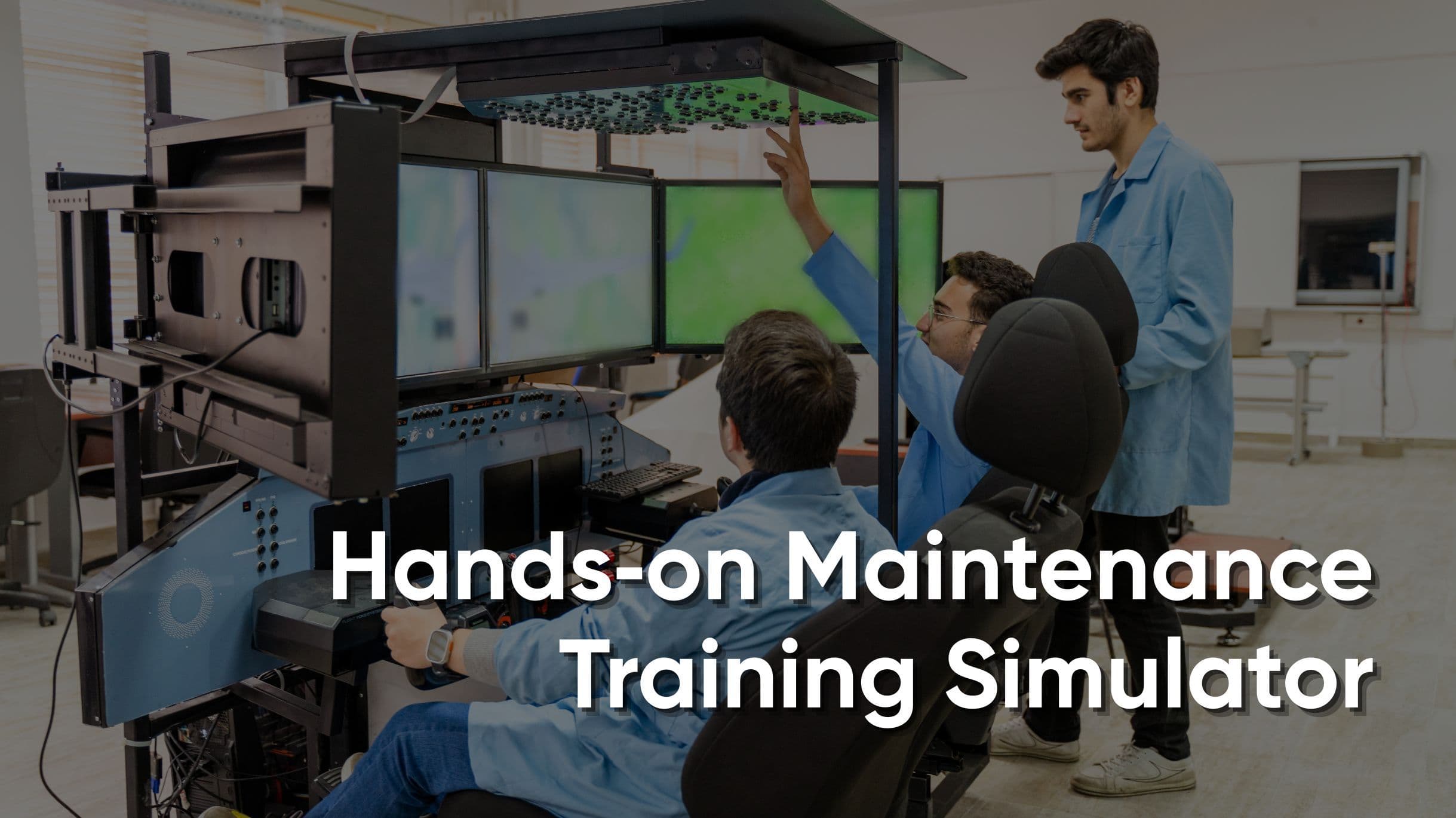
One of the biggest limitations in traditional classrooms is a lack of tactile learning. Simulators solve this. Students graduate with true, job-ready skills, not just book knowledge.
With hands-on maintenance training simulators, students can:
Aircraft Maintenance Technicians working toward A&P (Airframe & Powerplant) certification need structured, FAA-compliant training. Simulators help meet those requirements efficiently. Simulator training reinforces FAA Part‑147 standards and satisfies curriculum time more efficiently.
Simulators in A&P training cover:
In the real world, you can’t “rewind” a faulty fuel system. But in simulation, you can.
Simulators allow:
This repetition helps build technician confidence and sharpens their diagnostic speed and accuracy.
Using real aircraft in training is costly:
By contrast, aircraft maintenance training simulator vendors offer solutions that reduce those burdens:
Simulators provide a scalable ROI; the more students you train, the more value you generate.
Need to run a class at night or during a storm? No problem. Simulators work:
This flexibility helps maximize training hours and reduce delays, something traditional training can’t match.
Modern aircraft maintenance simulators track everything:
Instructors can access detailed analytics, identify skill gaps, and personalize learning paths. It’s not just technical learning, it’s measurable growth.
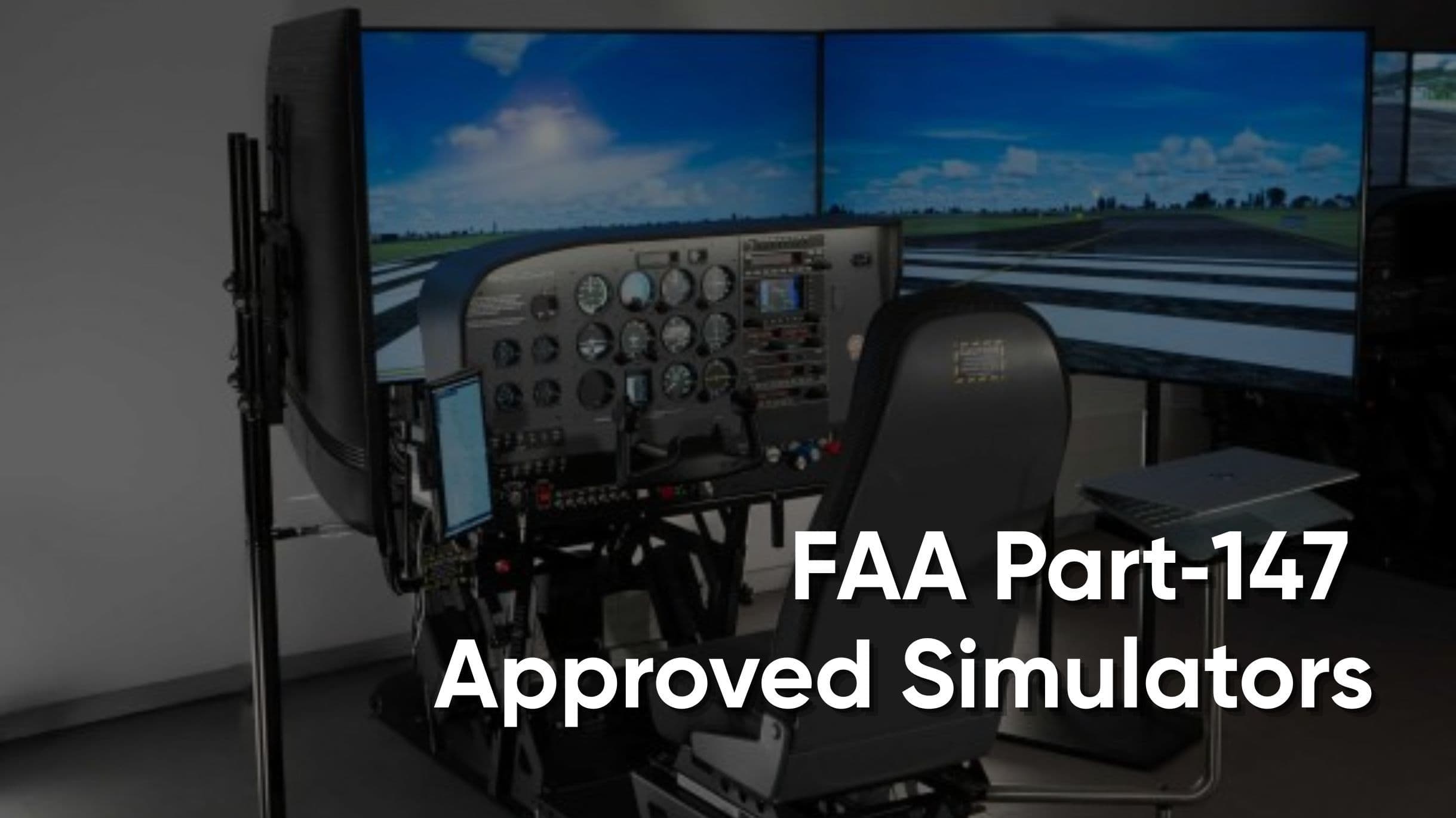
Regulatory alignment is a must. Top-tier simulators are built to meet or exceed FAA Part‑147 training standards.
Features include:
This makes them a compliant investment for schools seeking accreditation or expansion.
A great simulator doesn’t isolate one system; it connects them all. Trainees get exposure to:
This big-picture understanding prepares students for cross-system diagnostics, just like they’ll face on the job.
Simulators now replicate real-world diagnostic tools and procedures, like:
These tools help trainees transition smoothly to real-world airline or MRO roles.
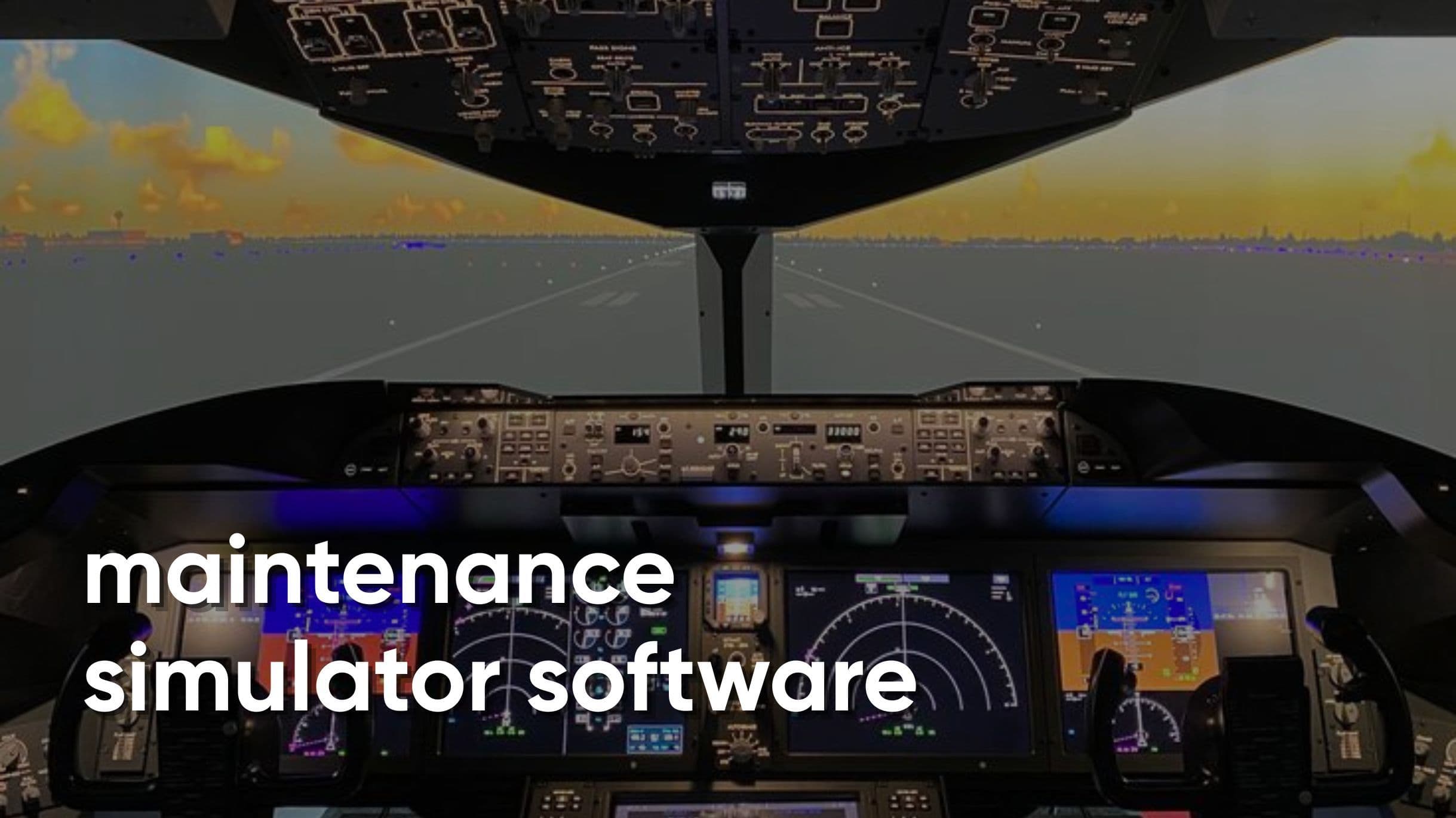
Unlike training on one physical aircraft model, maintenance simulator software can be updated as new technologies emerge.
Vendors offer:
This makes it easy for institutions to stay future-ready without reinvesting in expensive new hardware.
At Yöntem Teknoloji, we provide high-fidelity aircraft maintenance training simulators designed for real-world readiness. Our systems support:
With modular designs, VR integrations, and compliance with global standards, our simulators are built to future-proof your training programs.
If your institution wants to produce confident, certified, and job-ready technicians, integrating maintenance simulators into your curriculum isn’t just a smart move; it’s essential. These simulators support:
And with aviation maintenance simulator providers like Yöntem Teknoloji, you get custom-built, FAA-aligned solutions backed by support, updates, and decades of simulation expertise.

Yontem Teknoloji: Innovating Simulators and Laboratory Solutions
Company
Product